 ?>
?>How Do You Know When Your Roof Needs Rebedding and Repointing in Brisbane?
How Do You Know When Your Roof Needs Rebedding and Repointing in Brisbane?
Your roof protects your home from rain, wind and harsh weather, but over time, the materials holding your roof tiles in place can deteriorate. Cracked mortar, loose ridge caps and water leaks are common warning signs that your roof may need rebedding and repointing. Identifying these problems early can help Brisbane homeowners avoid more extensive roof repairs.
Understanding the difference between these services and knowing when to arrange an inspection can help you maintain a secure, weather-resistant roof.
What Are Roof Rebedding and Repointing?
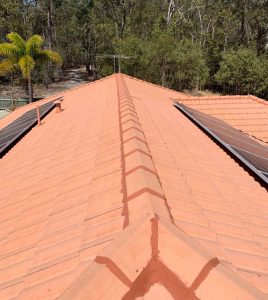
Roof rebedding and repointing are two related processes used to maintain tiled roofs, particularly around the ridge caps that run along the roof’s peak.
Roof rebedding involves removing the old, damaged bedding mortar and applying a new mortar base to secure the ridge caps in position. This process is necessary when the existing bedding has deteriorated or no longer provides adequate support.
Roof repointing involves repairing or replacing the outer pointing layer that seals the ridge caps and helps protect the roof from weather exposure. Modern flexible pointing materials can accommodate minor roof movement better than traditional rigid mortar.
Although the two services are often performed together, the condition of your roof determines whether it needs repointing alone or more extensive rebedding and repointing.
What Are the Signs Your Roof Needs Rebedding and Repointing?
Recognising early warning signs can help prevent minor roofing issues from becoming more serious problems.
1. Cracked or Crumbling Roof Pointing
Roof pointing can crack, loosen or crumble after years of exposure to sunlight, rain and temperature changes. When the pointing layer deteriorates, ridge caps may become more vulnerable to movement and water penetration.
If you notice visible cracks, missing sections or loose material along the roof ridge, arrange a professional roof inspection to determine whether repointing is required.
2. Loose or Displaced Ridge Caps
Ridge caps protect the joints along the highest sections of your tiled roof. Damaged bedding or deteriorated pointing can cause these caps to become loose or shift out of position.
Loose ridge caps should not be ignored, as they can create gaps in the roof and increase the risk of water entering the structure. Professional repairs can restore their stability and help protect the roof.
3. Water Leaks and Damp Ceilings
Water stains on ceilings, damp patches in roof spaces or unexplained moisture after rainfall may indicate a roofing problem. While damaged bedding and pointing can contribute to water penetration, leaks can also originate from broken tiles, flashing or other roof components.
A thorough inspection can help identify the source of the problem and establish the appropriate repair solution.
4. Ageing or Weather-Damaged Roofing Materials
Brisbane roofs are exposed to strong sunlight, heavy rainfall, storms and changing temperatures. Over time, these conditions can affect mortar, flexible pointing and other roofing materials.
Even when there are no obvious leaks, an ageing tiled roof may benefit from an inspection to identify early signs of deterioration.
Why Is Timely Roof Rebedding and Repointing Important?
Delaying necessary roof repairs can allow existing damage to worsen. Loose ridge caps, cracked pointing and deteriorated bedding may expose vulnerable roof sections to further weather damage.
Timely maintenance offers several benefits:
Helps prevent water ingress: Repairs address damaged ridge areas that may allow moisture to enter.
Improves roof stability: Properly secured ridge caps help maintain the integrity of the tiled roof.
Reduces further deterioration: Early attention may prevent minor defects from developing into more extensive repairs.
Supports roof longevity: Regular inspections and suitable maintenance help keep roofing components in better condition.
The right repair approach depends on the extent of the damage and the overall condition of the roof.
Can You Repoint a Roof Without Rebedding?
Yes, in some cases. If the existing bedding remains secure and structurally sound but the outer pointing layer has deteriorated, repointing alone may be sufficient.
However, if the bedding mortar is loose, cracked or failing, applying new pointing over the damaged base may not provide a lasting solution. The affected sections may need to be rebedded before new pointing is applied.
A professional roofer can assess the condition of the ridge caps, bedding and pointing to recommend the most appropriate treatment.
How Often Should You Inspect Your Tiled Roof in Brisbane?
There is no single inspection schedule that suits every roof. The ideal frequency depends on the roof’s age, material condition, surrounding trees and exposure to severe weather.
As a practical approach, homeowners should arrange periodic roof inspections and check for visible signs of damage after major storms, provided the inspection can be carried out safely. Avoid climbing onto the roof yourself, as tiled surfaces can be slippery and fragile.
If you notice loose ridge caps, cracked pointing or signs of a leak, arrange an inspection rather than waiting for the damage to become more noticeable.
When Should You Arrange Professional Roof Repairs?
If your roof shows signs of deteriorating mortar, loose ridge caps or recurring leaks, professional assessment by done right roofing can help determine whether rebedding, repointing or additional repairs are needed.
For homeowners seeking professional roof bedding and pointing services in Brisbane